Robert Sapolsky spent thirty years studying wild baboons to understand chronic stress. What he found is unlike anything you’ve read before.
The most useful thing I’ve ever read about stress in the modern workplace wasn’t written about workplaces, it was written about baboons.
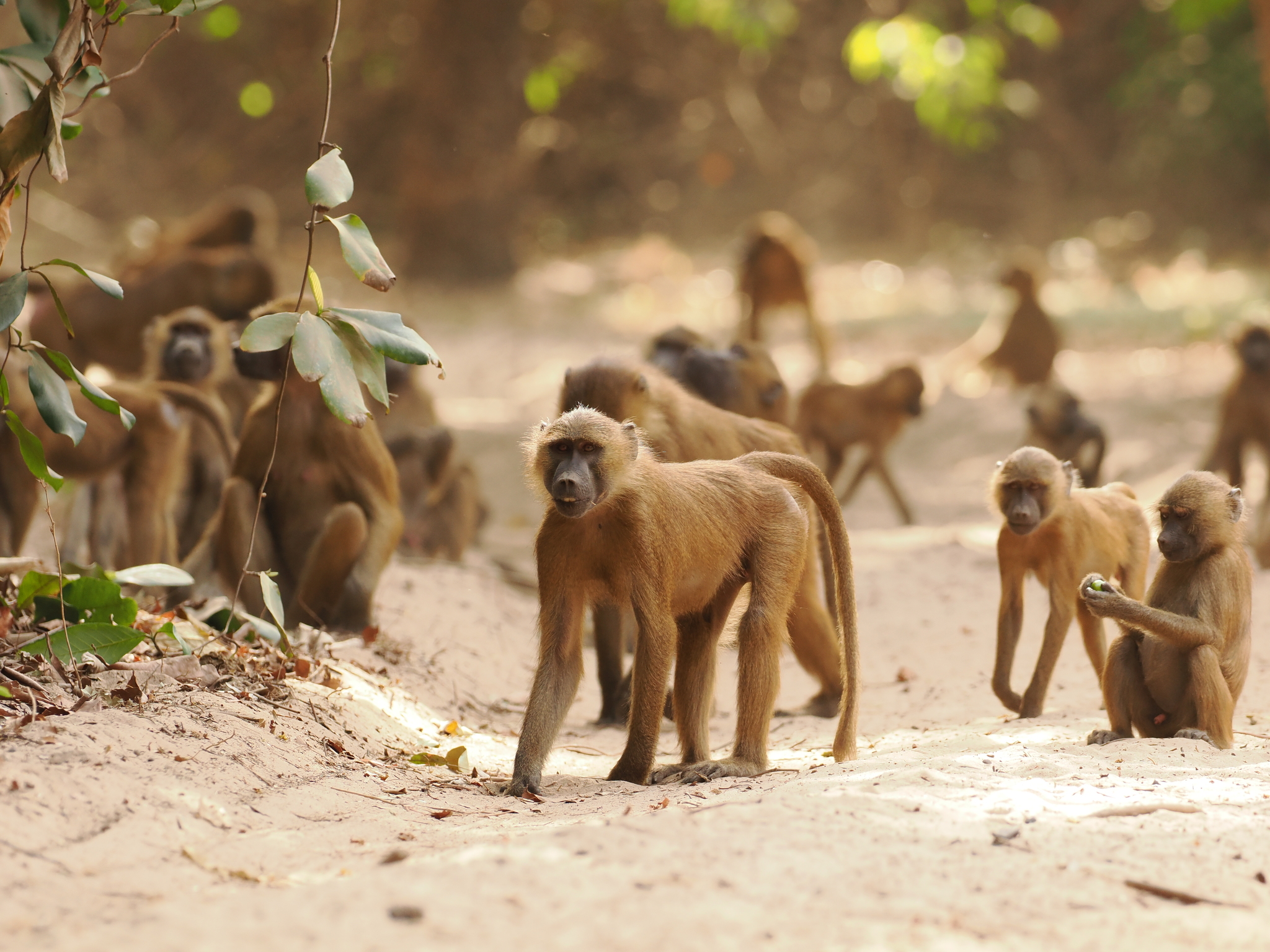
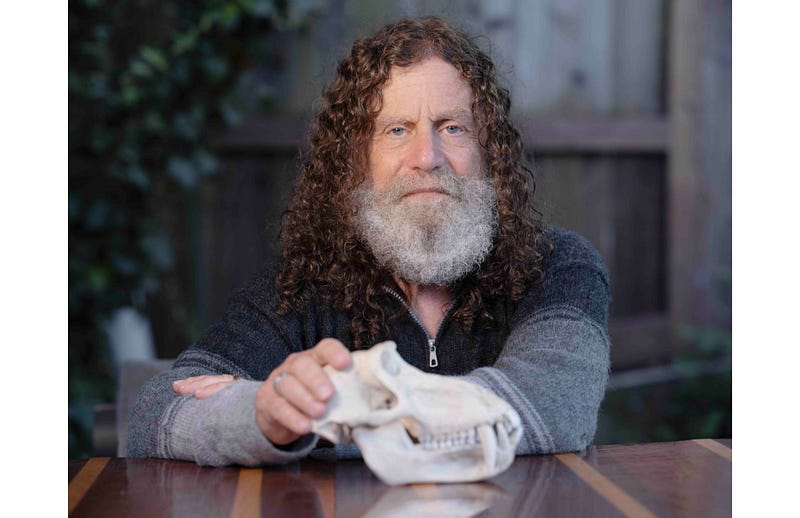
Specifically, a troop of baboons living on the Masai Mara reserve in Kenya, who were studied for over thirty years by a Stanford University neurobiologist named Robert Sapolsky.
What he found is so unexpected, so far-reaching. and ultimately so hopeful that I’ve never been able to look at organizational culture the same way since.
Here’s the story.
More than thirty years ago, as a young graduate, Sapolsky had a hunch. He believed he could learn more about how stress affects humans by studying non-human primates in their natural environment. So at the end of each academic year, he packed his equipment and spent his summers camped on the Masai Mara reserve, observing, documenting, and carefully collecting blood samples from a single baboon troop he called the Keekorock.
The first thing worth knowing about baboons is that their daily lives bear an uncanny resemblance to ours. Getting food isn’t their problem, in fact, most baboons spend only three or four hours a day foraging for tubers, fruits, and edible grasses. That leaves about eight hours for recreation, and their recreation of choice is minding the business of every other member of their tribe with the intensity of someone who has nothing else to do and nowhere to be.
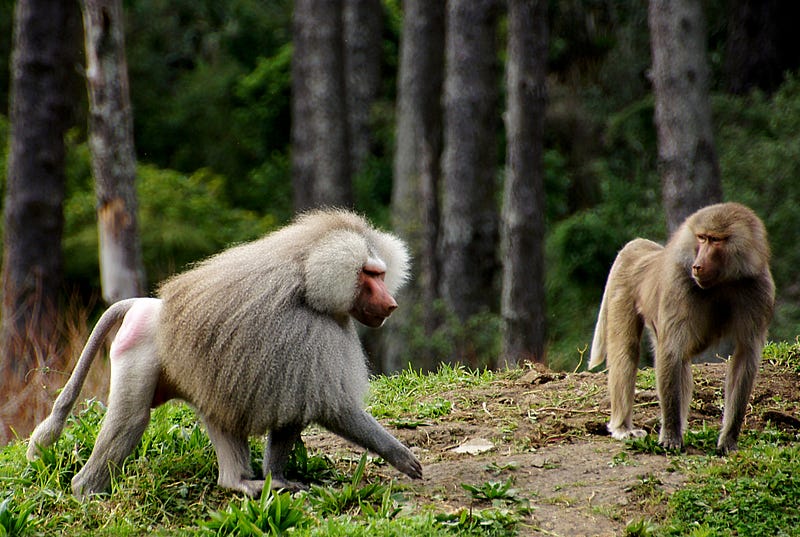
A baboon troop can have up to 150 members. Within that troop there is a rigid hierarchy; a dominant male at the top, supported by a cohort of aggressive alpha males, with everyone below them knowing precisely where they stand, who they can push around, and who can push them.
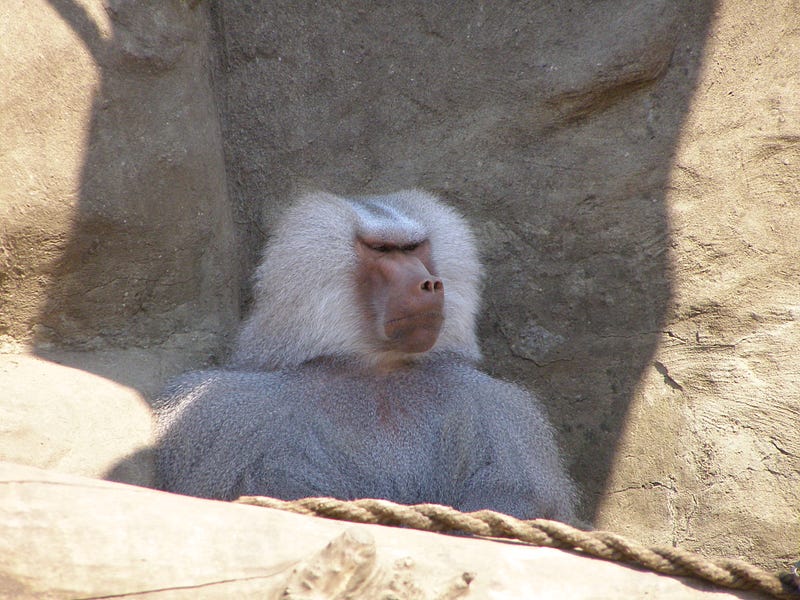
The dominant males use their free time to systematically harass everyone below them. Not because they need to. Because they can. It’s not lions and cheetahs stressing out the lower-ranking baboons, it’s each other.
A middle-ranking baboon sitting quietly, minding his own business, might get slapped in the back of the head by a higher-ranking male for no discernible reason whatsoever. That baboon, in turn, immediately takes it out on someone below him, who takes it out on someone below them, and so on down the line.
Sound familiar?
To confirm what he was observing behaviorally, Sapolsky needed to get inside the baboons’ bodies, specifically, he needed blood samples. This was considerably more complicated than it sounds. A valid sample required darting each baboon without them seeing it coming, at the same time of day, under identical physical conditions. If the baboon anticipated the dart, the stress response would contaminate the sample. If he’d had a fight that morning, or had intercourse, or was injured, he was off the list. For cholesterol studies, the animal had to have fasted for twelve hours, which meant early morning darts. And once darted, the blood had to be drawn quickly before hormone levels shifted in response. Sapolsky spent years collecting these samples with the patience and cunning of someone who understood that the data was worth the difficulty.
What he found confirmed his hunch and then exceeded it. A baboon’s rank in the hierarchy was a reliable predictor of the level of stress hormones (glucocorticoids), in his bloodstream. The lower the rank, the higher the basal levels. And the consequences of those elevated hormones were not subtle: lower-ranking baboons had increased heart rates, higher blood pressure, suppressed HDL cholesterol, fewer white blood cells, lower immunity, atherosclerosis, and brain chemistry remarkably similar to clinically depressed humans. They were being made physically ill by the social structure they lived in.
But rank wasn’t the whole story. Sapolsky identified specific behavioral traits that predicted stress levels independent of where a baboon sat in the hierarchy. The most stressed individuals shared three characteristics: they couldn’t distinguish between a threatening and a non-threatening gesture from a rival, they stayed in a state of alarm even when the rival had climbed a tree and gone to sleep. They tended to wait for situations to unfold rather than taking decisive action. After a fight, they couldn’t tell whether they’d won or lost — they reacted the same way either way, incapable of registering a victory or drawing any satisfaction from it. For these baboons, as Sapolsky noted, life was simply one long series of stressors.
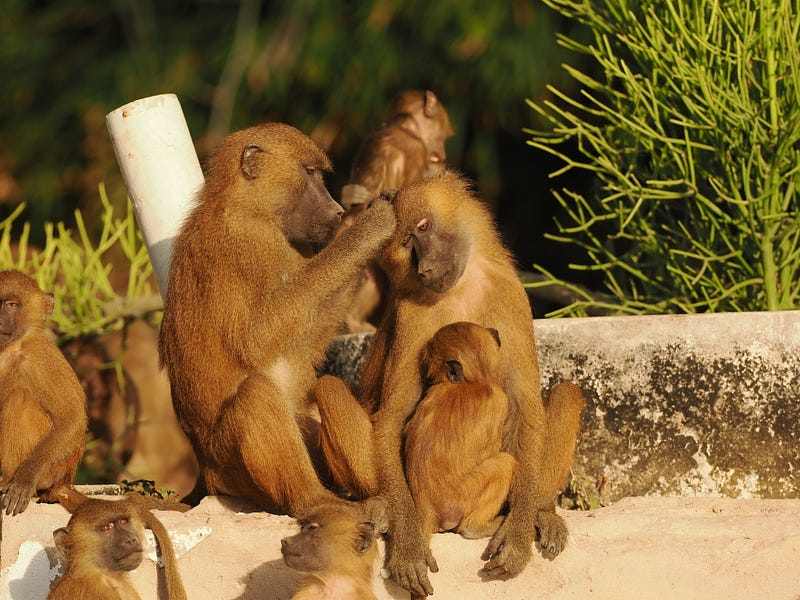
The baboons with the lowest stress hormones, regardless of rank, shared different traits. They maintained social connections, specifically friendships with females outside of mating contexts, and time spent playing with the young. They weren’t isolated. They had genuine affiliative bonds. And it turned out that social connection was as powerful a buffer against chronic stress as rank itself.
Then came the event that changed everything.
After more than a decade of study, Sapolsky returned one summer to find that nearly half the males of the Keekorock troop had died. A nearby tourist lodge had a garbage dump. The dominant males, being dominant, had claimed it for themselves. The food scraps were tainted with tuberculosis. The aggressive, high-ranking males who had fought their way to the dump died. The passive, lower-ranking males who couldn’t get near it survived.
The troop was now almost two-to-one female to male, and the males who remained were, by nature and by circumstance, the non-aggressive ones. The ones who groomed. The ones who played with the young.
And something remarkable happened.
The entire social culture of the Keekorock troop transformed. The chronic aggression, the displacement, the hierarchical intimidation was gone. When new adolescent males joined from neighboring troops, as they do at maturity, they arrived with the usual testosterone-fueled aggression. The Keekorock troop told them, in the language available to baboons, that this wasn’t how things worked here. Within months, the new males had adapted. Not because they were forced to. Because the culture they’d entered had no tolerance for the old behavior and rewarded the new one.
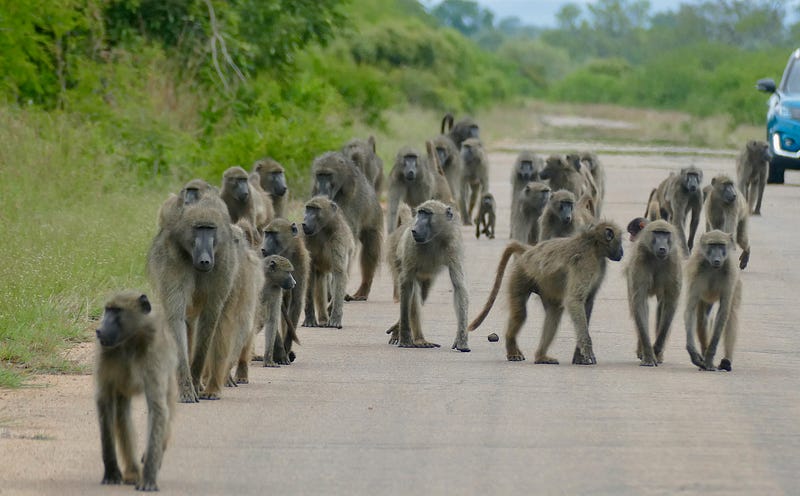
Twenty years later, the Keekorock troop still maintained that culture. Low aggression. High social affiliation. And the physiological markers had followed the behavior: lower glucocorticoids, lower blood pressure, brain chemistry no longer resembling clinical depression.
One generation. One shift in culture. Twenty years of sustained transformation.
As Sapolsky put it: “If baboons are able to, in one generation, transform what are supposed to be textbook social systems engraved in stone, we don’t have an excuse when we say there are certain inevitabilities about human social systems.”
Here is what thirty years of watching baboons taught one of the world’s leading stress researchers: chronic stress isn’t primarily about what happens to you. It’s about the social environment you live and work in. The five conditions that make psychological stress genuinely damaging are a lack of control, a lack of predictability, a lack of outlets, a sense that things are getting worse, and social isolation. The Keekorock troop, after its transformation, had addressed all five — not through a wellness program, not through individual resilience training, but through a fundamental shift in how members of the group treated each other.
So here’s the thing; If a troop of baboons on the Kenyan savanna could transform an entrenched, stress-producing social hierarchy in a single generation and sustain that transformation for twenty years, what’s stopping us?