KEY INSIGHT: True physiological hunger is actually rare in modern life. Most of what we experience as “hunger” is actually hedonic desire (brain seeking pleasure), habitual cue (it’s mealtime or we’re in a familiar eating context), emotional need (seeking comfort or distraction), or blood sugar dysregulation from processed foods. Learning to distinguish between these different signals is crucial because they require completely different responses. Real hunger needs food. The others need awareness and alternative strategies.
PERSONAL REFLECTION: Think about the last time you felt “hungry” and ate something. Was it true hunger, or was it triggered by the clock, a commercial, stress, boredom, or just habit? Most people are shocked to discover how rarely they eat from actual hunger.
TODAY’S EXERCISE:
Before you eat anything today, pause for a moment. Ask yourself: “What kind of hunger is this?” Rate your physical hunger from 1-10. Notice if the desire is general or specific to certain foods. Consider:
Don’t change anything yet. Just gather data. You’re becoming a detective of your own patterns.
SPECIAL NOTE: Humankind can enjoy health on a myriad of diets – the Inuit Diet, Mediterranean Diet, Okinawan Diet, Nordic Diet – each are vastly different – but they’re all healthy because they share a commonality – real food.
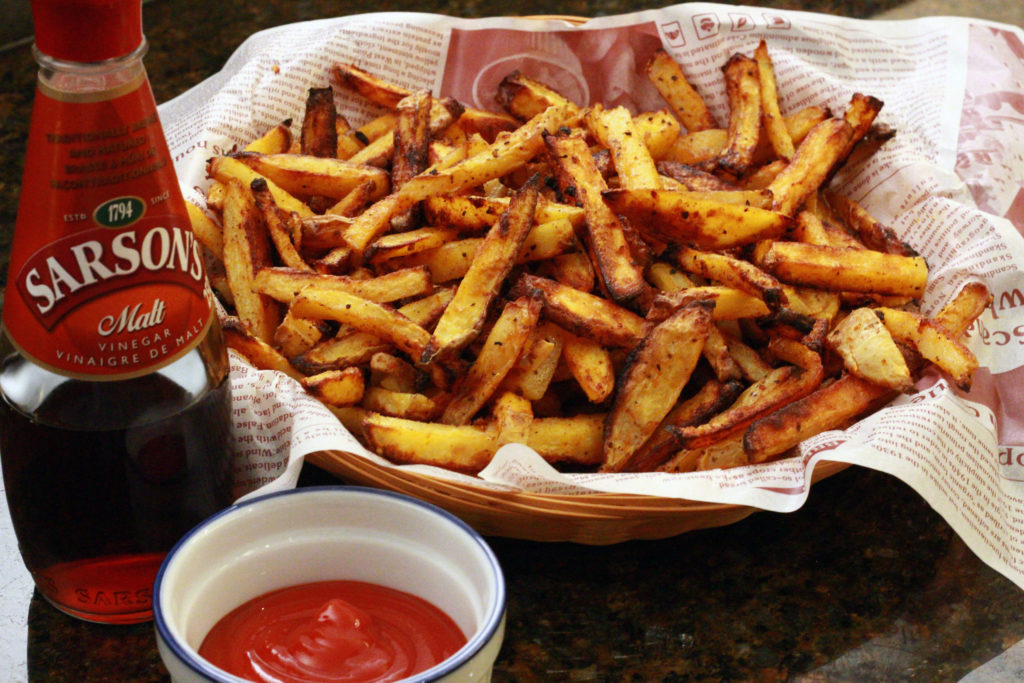
If you eat real food, then you can eat whatever you enjoy. For example; Do you love french fries? – click the link and check out this recipe – Oven-Baked French Fries – Delicious, Healthy AND Non-Fattening? … Somebody Pinch me!