KEY INSIGHT: Chronic fatigue in modern life is rarely caused by insufficient rest – it’s caused by poor nutrition, sedentary behavior, inadequate sleep quality, and chronic stress. The paradox is that the solution (movement and better nutrition) feels impossible when you’re in the depleted state, creating a vicious cycle. However, the human body is remarkably adaptive: even small increases in movement and food quality trigger biological responses that increase energy production capacity. The key is understanding that the “tired” feeling before exercise is usually mental resistance, not physical depletion, while the energized feeling after movement is real physiological improvement.
PERSONAL REFLECTION: Think about a time when you forced yourself to go for a walk or do some physical activity even though you felt tired. How did you actually feel afterward? Most people report feeling more alert, more energized, and in a better mood – the opposite of what they expected. Now compare that to times when you rested because you were tired. Did the rest actually restore your energy, or did you feel just as tired, perhaps even more sluggish, afterward?
TODAY’S EXERCISE:
Tonight, after dinner, when you’re probably feeling tired and ready to collapse on the couch, set a timer and move your body for just 10 minutes. Walk around your neighborhood. Do some stretching. Dance to music. Play with your kids or pet. Whatever sounds least terrible.
The key: When you finish, immediately write down how you feel compared to before you started. Rate these on a scale of 1-10:
Most people discover they feel better across all categories. This single experiment can shatter the belief that movement depletes energy. Keep this note – you’ll need it when your brain tries to convince you that you’re “too tired” in the future.
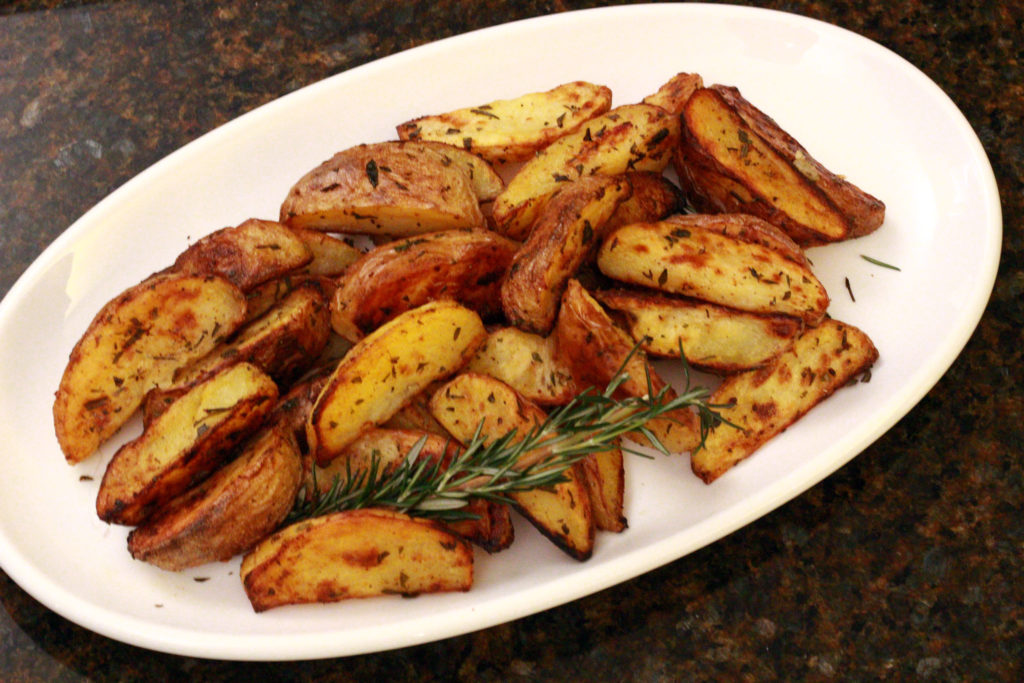
SPECIAL NOTE: Real food equals real energy — it really is that simple. These potato wedges — actual potatoes, olive oil, and your favourite spices, roasted until golden — are a perfect example. Your body knows exactly what to do with them. No sugar crash. No mystery ingredients. No regret. Just great food that delivers what it promises.
→ Roasted Potato Wedges — As a Side Dish They’re SO Good, You May Not Even Eat Your Main Course!