KEY INSIGHT: Human beings are deeply social creatures who unconsciously mirror the behaviors, norms, and choices of their social groups. Research shows that obesity, eating patterns, exercise habits, and even health attitudes spread through social networks like contagion – not through germs, but through the powerful human drive to fit in and follow group norms. The people you spend time with establish what feels “normal” to your brain, making their behaviors feel natural and comfortable while behaviors outside the group norm feel strange and uncomfortable. This social influence operates mostly below conscious awareness, which is why people often don’t realize how much their social environment shapes their health choices.
PERSONAL REFLECTION: Think honestly about your closest relationships. Do the people around you support or hinder your health goals? Not through their words – through their behaviors and the norms they establish. Do gatherings center around food and drinking? Do you feel pressure to eat or drink things you’d rather avoid? Do people make comments when you try to make healthier choices? Conversely, do you have anyone in your life who models healthy behaviors and makes them seem normal and enjoyable rather than extreme or obsessive?
TODAY’S EXERCISE:
Map your social influence. Make three lists:
Positive influences: People whose health behaviors you admire and who make healthy choices feel normal and appealing
Negative influences: People whose behaviors pull you toward unhealthy patterns (no judgment – just observation)
Neutral: People who neither help nor hinder
Now ask yourself:
This isn’t about abandoning people you love. It’s about being strategic with your social environment and aware of its powerful influence on your automatic behaviors.
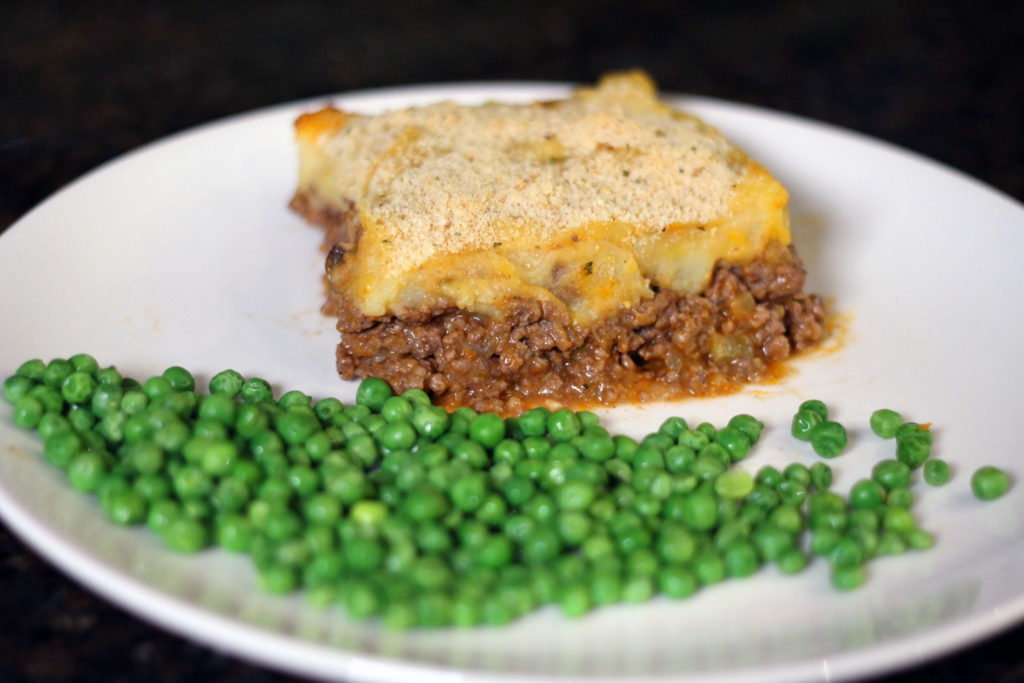
SPECIAL NOTE: The next time someone tells you that eating well means deprivation, invite them to dinner and serve this. Shepherd’s Pie — hearty, deeply satisfying, made from real ingredients — is the kind of meal that quietly ends every argument about healthy food being bland or joyless. Nobody at your table will feel like they’re missing out. Because they’re not.
→ Shepherd’s Pie (Cottage Pie) — call it what you will, but this recipe’s a classic … only better!