KEY INSIGHT: Habits are behavioral patterns that become automated through repetition, operating below conscious awareness through a three-part loop: cue (trigger), routine (behavior), and reward (payoff). The brain automates repeated behaviors to conserve mental energy, which is efficient for helpful habits but problematic for destructive ones. Most eating, movement, and health behaviors are habitual rather than deliberate, which explains why willpower and conscious intentions often fail – you’re trying to consciously control behaviors that run automatically. The key to change is making the invisible visible: identifying the cues, routines, and rewards that drive your automatic behaviors.
PERSONAL REFLECTION: Think about your evening routine. Do you consciously decide each action, or do you find yourself automatically doing the same things in the same order? Now think about your eating patterns. How much of what you eat is actually a response to physical hunger versus automatic response to cues like time, location, emotion, or routine? Most people are shocked to discover how little of their behavior is actually chosen.
TODAY’S EXERCISE:
Today, you’re going to catch one habit in action. Pick a specific eating or inactivity habit you want to understand. Every time you engage in that behavior today, pause and write down:
Don’t try to change the behavior yet. Just observe it like a scientist studying an interesting specimen. You’re gathering intelligence about your own programming.
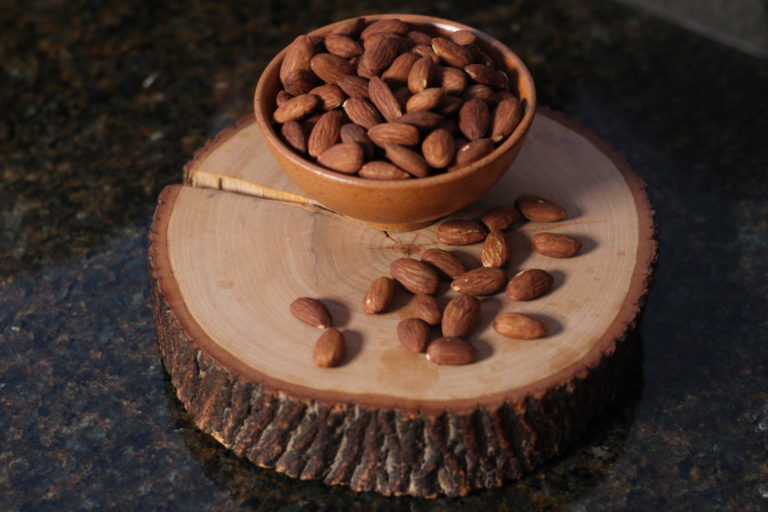
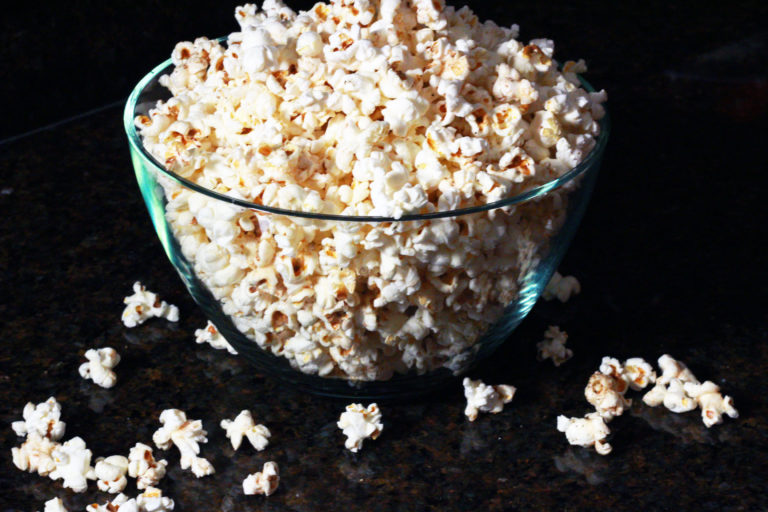
SPECIAL NOTE: Here’s the thing about habits: it’s not about stopping the snacking — it’s about changing what the snack IS. Your hand is going to reach for something regardless; that’s the autopilot. These two options make sure it reaches for something worth having. Keep a bowl on the counter and watch how effortlessly the habit starts working for you instead of against you.
→ Baked Almonds! Bet you can’t eat just one … and that’s a “good” thing!